Big flavor, lower impact
Why we carbon label
Our food choices matter
Around one third of global carbon emissions are created by the food system, and not all foods have equal impact. We believe that the next step in fighting the climate crisis is giving you the information you need to make choices about what you eat with the climate in mind. That’s why we became the first restaurant chain in the U.S. to have carbon labels on our menu. At Just Salad, we know that lower carbon doesn’t mean less great taste!
What’s a carbon label?
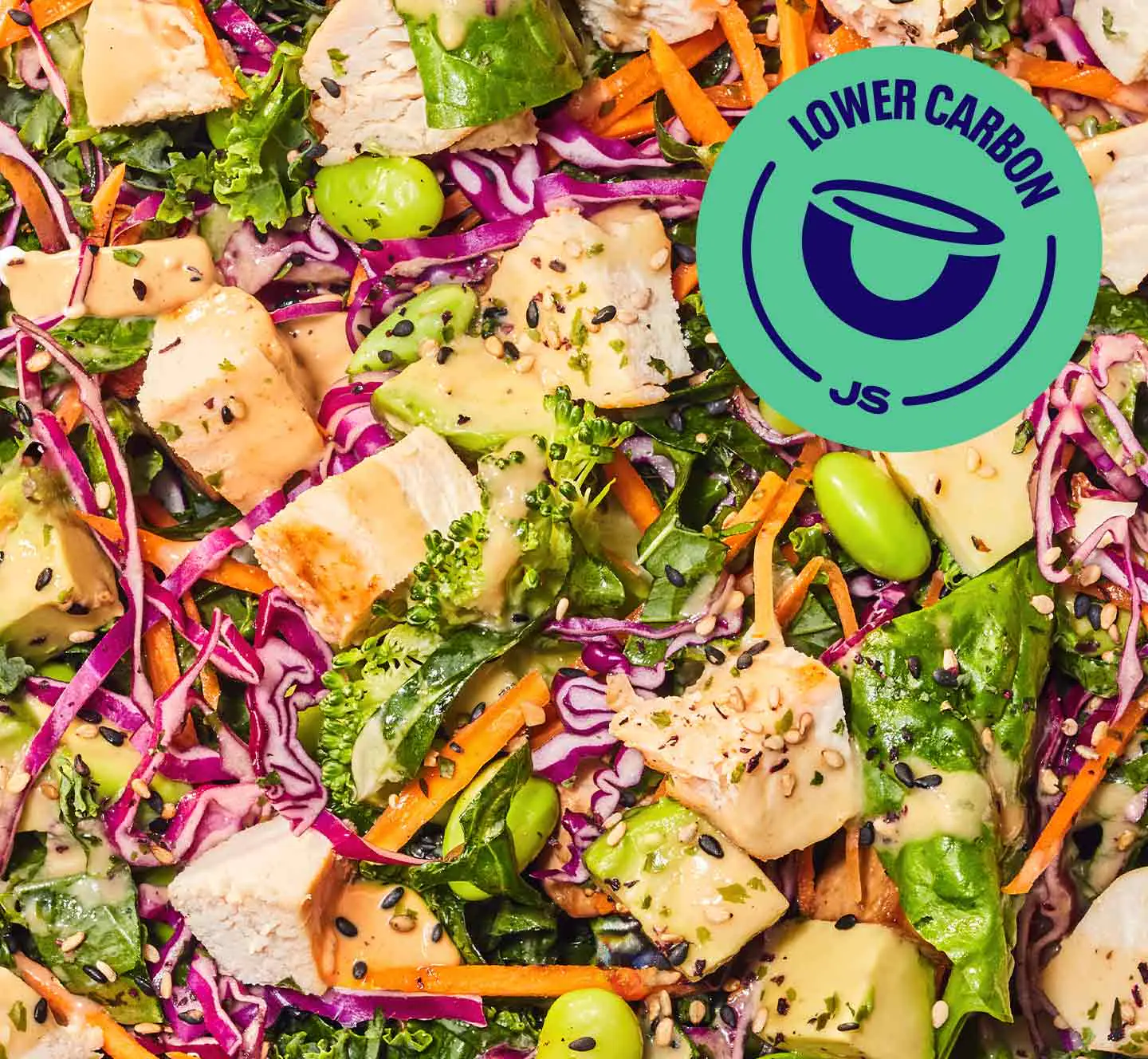
Growing, shipping, and throwing away food all release carbon dioxide, methane and other greenhouse gases. Our carbon labels tell you, in kg CO2e (kilograms of carbon dioxide equivalent), how much is emitted to bring food to your plate, and can be used to compare the carbon footprints of items within our menu. The lower the number, the less your meal contributes to climate change.*
*Calculation methods may vary, so it’s best to avoid comparing carbon labels for products from different companies.
Put those new skills to work
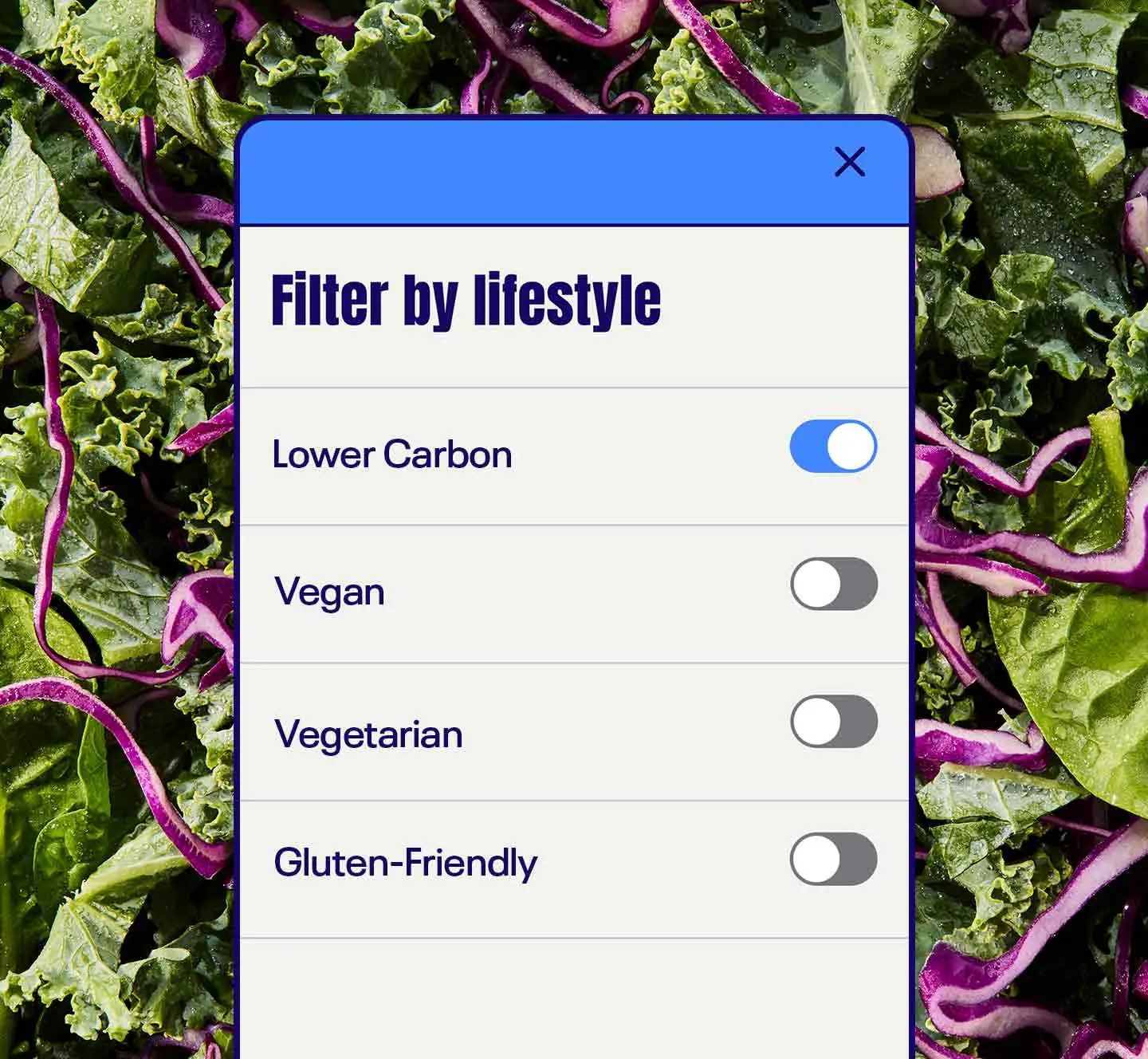
So, how do you use these labels to make more climate-friendly choices at Just Salad? In our app and on our website, you can find a carbon label in kg CO2e on every menu item. We’ve even marked lower-emission items with a “Lower Carbon” label to make them easier to find. You can also filter by “Lower Carbon” the same way you’d filter by “Vegan” or “Gluten-Friendly” to see only these items.
Bringing fresh ideas to the table
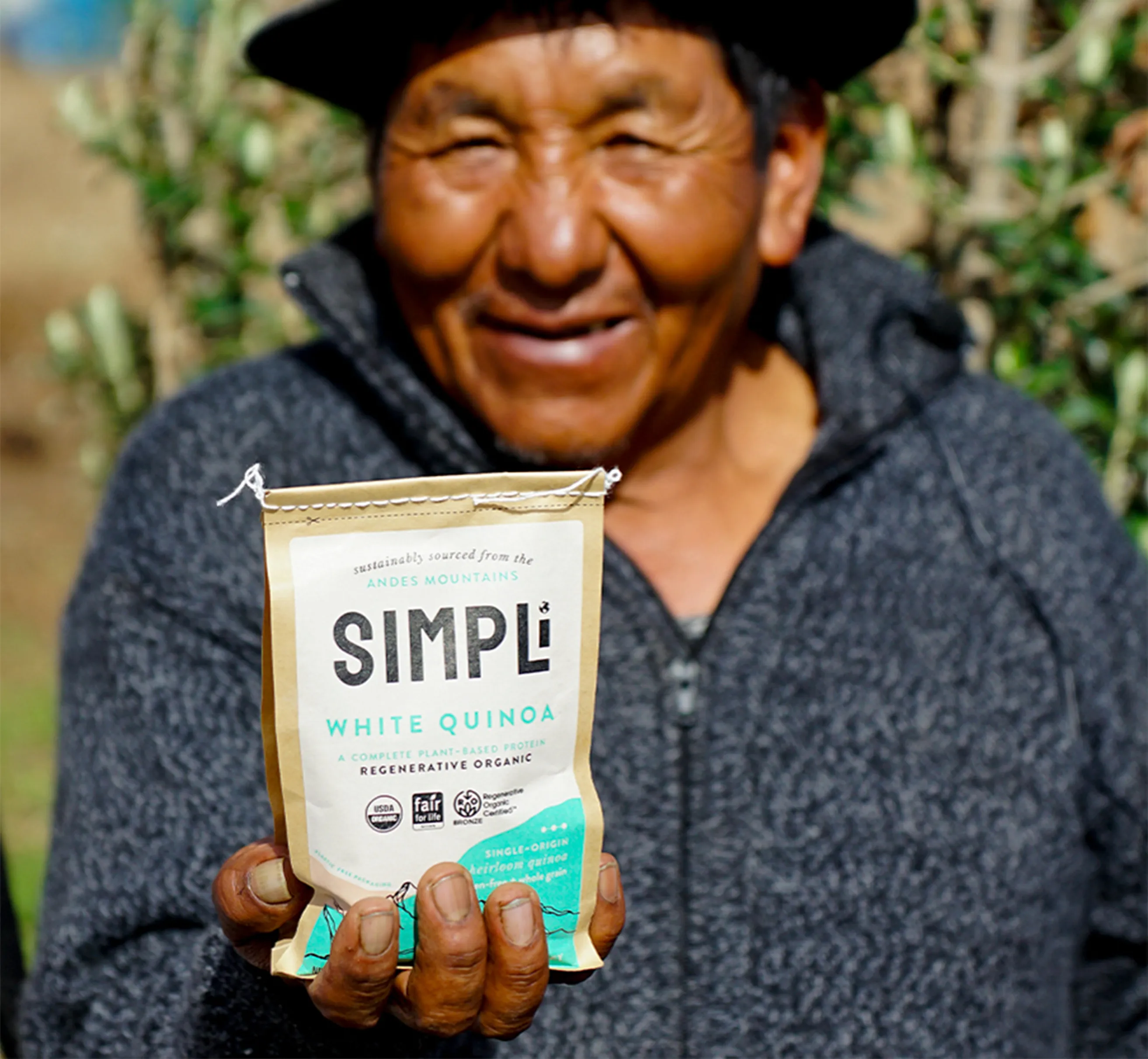
Our carbon labels also help our team at Just Salad make more sustainable choices when we’re choosing ingredients and recipes. We source products from suppliers that improve soil health and sequester carbon through regenerative farming practices, like SIMPLi’s Regenerative Organic Certified® Quinoa. We also offer lower-emission plant-based protein options like tofu and Impossible Chicken®.
Third-party verified by Planet FWD
Our carbon labels are verified by Planet FWD, a leading carbon management platform (and are aligned with the GHG Protocol and ISO).